Scoliosis – Advanced Evaluation & Treatment
Scoliosis is a three-dimensional spinal deformity characterized by an abnormal sideways curvature and rotation of the spine, commonly affecting children, adolescents, and adults.
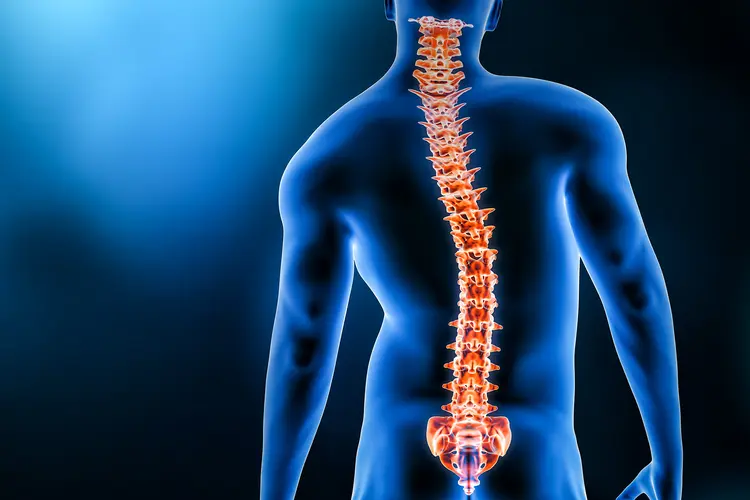
Scoliosis is a three-dimensional spinal deformity characterised by an abnormal sideways curvature of the spine, often accompanied by rotation of the vertebrae. While mild curves may not cause symptoms, progressive scoliosis can lead to visible deformity, such as back pain, imbalance, breathing difficulty, and reduced quality of life. Early diagnosis and expert management are crucial to prevent complications and ensure optimal spinal alignment.
With vast experience in managing complex spinal deformities, Dr Hegde, who is an internationally acclaimed spine surgeon, offers comprehensive and customised scoliosis treatment solutions for children, adolescents, and adults. Treatment plans are tailored based on age, curve severity, flexibility of the spine, and associated conditions, ranging from observation and bracing to advanced corrective surgery.
Types of Scoliosis
Adolescent Idiopathic Scoliosis (AIS)
The most common form of scoliosis, AIS, occurs in children between 10 and 18 years of age without a known cause. It often progresses during growth spurts. Early detection through school screening or clinical evaluation is essential. Treatment options include observation, bracing for moderate curves, and surgical correction for severe or progressive deformities.
Degenerative Scoliosis
This is also known as adult-onset scoliosis, and it develops due to age-related wear and tear of the spine. Disc degeneration, arthritis, and spinal instability contribute to curvature. Patients often present with back pain, leg pain, or nerve compression symptoms.
Treatment may involve physiotherapy, pain management, or surgical stabilisation and deformity correction.
Early Onset & Late Onset Scoliosis
- Early Onset Scoliosis (EOS): Develops before the age of 10 and requires careful management to prevent impact on lung development and growth. Growth-friendly surgical techniques are often used.
- Late Onset Scoliosis: Develops after the age of 10 and behaves more like adolescent scoliosis. Treatment depends on curve progression and skeletal maturity.
Congenital Scoliosis Correction
Congenital scoliosis results from abnormal vertebral formation during fetal development. Vertebral anomalies such as hemivertebrae or segmentation defects may cause progressive curvature. Early surgical correction is often required to prevent severe deformity and imbalance.
Know the Advanced Scoliosis Treatment Procedures:
Posterior Correction – Thoracic Fusion
A commonly performed surgical procedure where spinal instrumentation,like rods and screws are placed through the back to correct curvature and fuse the affected thoracic vertebrae. It provides strong deformity correction and long-term stability.
Non-Fusion Anterior Scoliosis Correction (NFASC) with Tether
A motion-preserving technique where a flexible tether is placed through the front of the spine. It corrects the curve while allowing continued spinal growth and flexibility, especially beneficial in growing adolescents.
Growth Rod Reconstruction
Used in young children with early-onset scoliosis. Expandable rods are implanted to control curvature while allowing spinal growth. Periodic lengthening procedures are performed as the child grows.
MAGEC Rod
A magnetically controlled growing rod system that allows non-invasive outpatient lengthening using an external magnetic device. It reduces the need for repeated surgeries in children.
Hemivertebra Excision
A specialised procedure to remove an abnormally formed vertebra (hemivertebra) in congenital scoliosis, followed by stabilisation to correct deformity.
Selective Thoracic Fusion
Targets only the main thoracic curve while preserving lumbar motion segments. This approach maintains better spinal flexibility and function.
Vertebral Column Anomalies Correction
Comprehensive correction of structural vertebral abnormalities through tailored surgical strategies to restore alignment and balance.
Halo Application
A halo device is used pre-operatively in severe or rigid curves to gradually stretch and align the spine before definitive surgery.
Thoracoplasty
Performed to reduce rib prominence and improve cosmetic appearance in patients with significant rib hump deformity.
Spinopelvic Fixation
Provides strong anchorage between the spine and pelvis in severe deformities or neuromuscular scoliosis cases, ensuring stability and balance.
Vertebral Column Resection (VCR)
A highly complex procedure used for severe, rigid spinal deformities. It involves the removal of a vertebral segment to achieve major correction.
Supportive & Corrective Total Contact Brace Application
Custom-made braces designed to prevent curve progression in growing children and adolescents. Effective for moderate scoliosis when detected early.
Vertebral Column Manipulation
Advanced intraoperative correction techniques are used to achieve optimal spinal alignment while minimising neurological risk.
Have questions about this condition?
Consult Dr. Sajan Hegde, a pioneer in spine surgery and complex deformity correction.